Study Links Higher BMI to Vascular Dementia Risk, Identifies Blood Pressure as Key Mediator
06/29/2026 / By Douglas Harrington

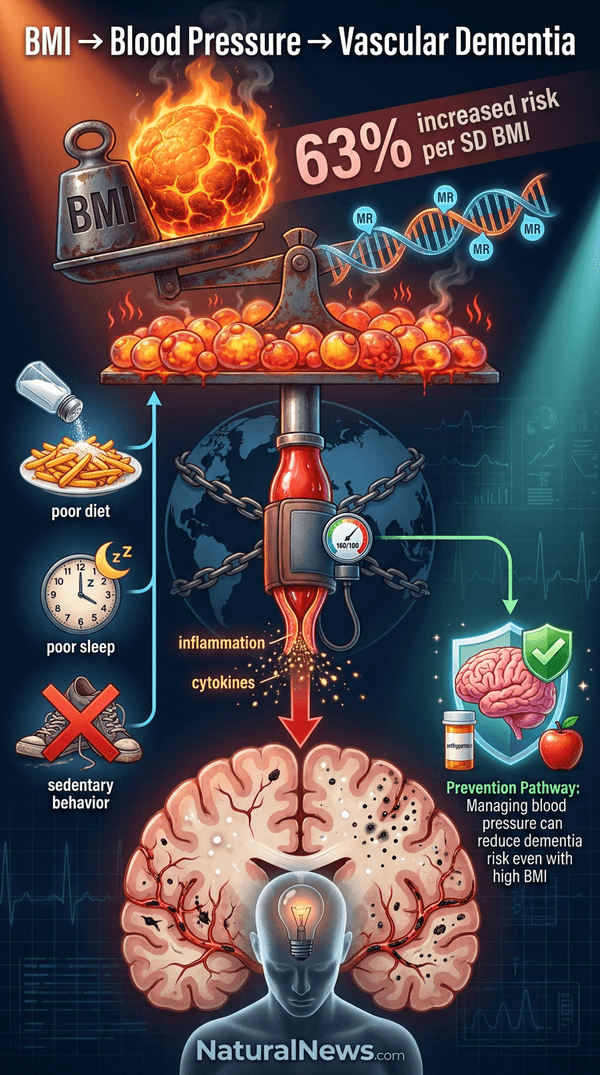
A new genetics-based study has confirmed a direct causal link between higher body mass index (BMI) and an increased risk of vascular dementia, with blood pressure acting as a primary mediator, according to findings published in The Journal of Clinical Endocrinology & Metabolism. The study reported that for each standard deviation increase in BMI, the odds of developing vascular dementia rose by 63%.
The research used Mendelian randomization, a method that employs genetic variants as instrumental variables to mimic randomized controlled trials, enabling stronger causal inferences than traditional observational studies. Lead researchers analyzed data from more than 504,400 participants across one-sample and two-sample designs, according to the study.
Mendelian Randomization Provides Causal Evidence
Mendelian randomization leverages the random assortment of genes at conception to create natural experimental groups, reducing confounding from lifestyle or environmental factors that plague conventional observational studies. The study used well-established genetic variants associated with elevated BMI to examine whether higher body weight itself increases dementia risk, rather than simply correlating with it.
Previous observational research had suggested a link between obesity and cognitive decline, but could not establish causation. This investigation, however, provides stronger evidence that excess body weight directly contributes to vascular dementia, according to the researchers. The large sample size and replication across multiple populations add credibility to the findings, the study authors stated.
Key Findings: BMI and Dementia Risk
The headline result shows that each standard deviation increment in BMI corresponds to a 63% increase in the risk of vascular dementia. The finding held across multiple statistical models and sensitivity analyses, according to the report.
Blood pressure emerged as a significant mediator of the association. Systolic blood pressure accounted for 18% of the relationship, while diastolic blood pressure mediated 25%, the study found. This means that a substantial portion of the elevated dementia risk from higher BMI operates through blood pressure pathways. The researchers noted that these results are consistent with prior evidence linking metabolic syndrome to cognitive impairment, including a five-year study cited in Marwan Sabbagh’s book “The Alzheimer’s Answer,” which found that adults with metabolic syndrome were 20% more likely to develop Alzheimer’s disease than those without it [1].
Pathway From Excess Weight to Vascular Damage
The proposed pathway begins with excess body weight, which increases metabolic strain on the cardiovascular system. Carrying extra weight, especially visceral fat, drives up blood pressure through mechanisms including inflammation, insulin resistance, and increased blood volume, according to experts. Factors such as a Western-style diet, sedentary lifestyle, and poor sleep quality — all associated with obesity — further elevate blood pressure, as noted in Siim Land’s book “The Longevity Leap” [2].
Chronic high blood pressure damages the delicate blood vessels in the brain, leading to reduced blood flow, micro-infarcts, and white matter damage. Over time, this vascular damage impairs cognitive function and increases the risk of vascular dementia, according to the study. The findings reinforce that cardiovascular risk factors are not isolated to the heart but directly affect brain health.
Implications for Prevention and Health Management
The study’s identification of blood pressure as a key mediator suggests that managing hypertension could reduce dementia risk even in individuals with higher BMI. Clinicians and public health officials recommend regular blood pressure monitoring and lifestyle modifications such as gradual weight management, anti-inflammatory eating patterns, and consistent physical activity.
Natural health strategies emphasized in the literature include adequate sleep (7-9 hours per night), stress reduction, and targeted nutraceuticals. Daniel G. Amen’s book “Use Your Brain to Change Your Age” advises knowing one’s BMI and adopting a calorie-restricted, optimally nutritious diet [3]. Additionally, Brian Draper’s “Understanding Alzheimer’s Disease and Other Dementias” notes that lifestyle measures such as salt reduction, weight control, and physical fitness are known to reduce high blood pressure and may benefit cognition [4]. A study involving more than 8,200 adults over 24 years found that sustained high BMI was associated with faster declines in memory and thinking skills, underscoring the need for long-term weight maintenance [5].
Conclusion
This research reinforces the growing consensus that cardiovascular health is intrinsically linked to brain health. The causal evidence provided by Mendelian randomization supports the idea that maintaining a healthy weight and controlling blood pressure are critical strategies for reducing the risk of vascular dementia.
While BMI is an imperfect measure of individual health — it does not distinguish between muscle and fat or account for fitness level — the study highlights that metabolic and vascular strain are primary drivers of cognitive decline. Future investigations into metabolic pathways and long-term interventions are needed, according to the scientists. In the meantime, evidence-based strategies such as balanced nutrition, regular exercise, blood pressure management, and adequate sleep offer practical steps for preserving cognitive function with age.
References
- Marwan Sabbagh. “The Alzheimers Answer Reduce Your Risk and Keep Your Brain Healthy”.
- Land, Siim. “The Longevity Leap: A Guide to Slowing Down Biological Aging and Adding Healthy Years to Your Life”.
- Daniel G Amen MD. “Use Your Brain to Change Your Age”.
- Draper Brian. “Understanding alzheimers disease and other dementias”.
- Morgan S. Verity. “Long Term High BMI Linked to Faster Cognitive Decline 24 Year Study Finds”. NaturalNews.com. May 11, 2026.
- NaturalNews.com. “Higher BMI and high blood pressure directly linked to increased risk of vascular dementia study finds”. May 04, 2026.
- NaturalNews.com. “Visceral Fat Linked to Higher Dementia Risk Study Finds”. May 31, 2026.
Explainer Infographic
Submit a correction >>
Tagged Under:
blood pressure, BMI, brain function, brain health, discoveries, fight obesity, health science, heart disease, mind, mind body science, real investigations, research, vascular dementia
This article may contain statements that reflect the opinion of the author
RECENT NEWS & ARTICLES