Study: Ultra-processed Meal Triggers Larger Insulin Response Than Matched Less-Processed Meal
10/31/2026 / By Coco Somers
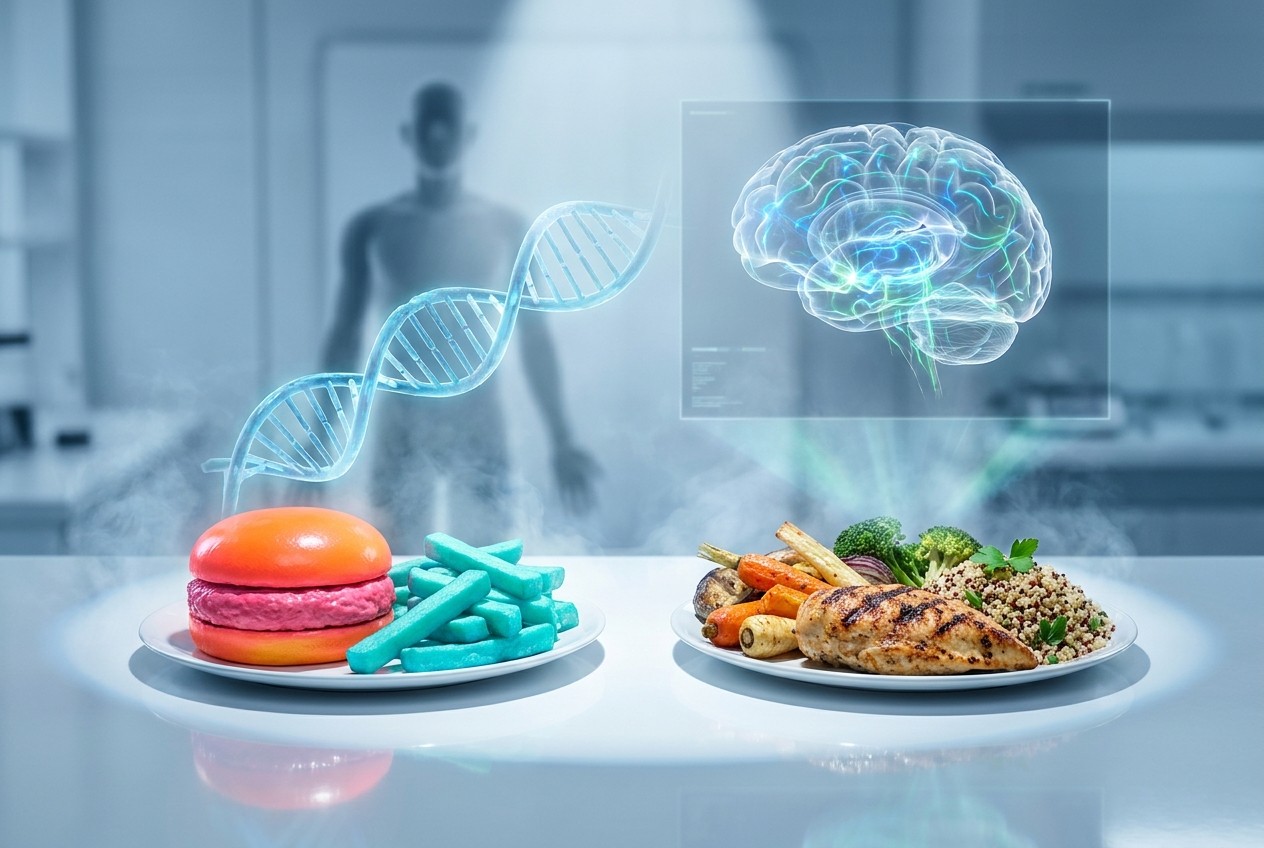
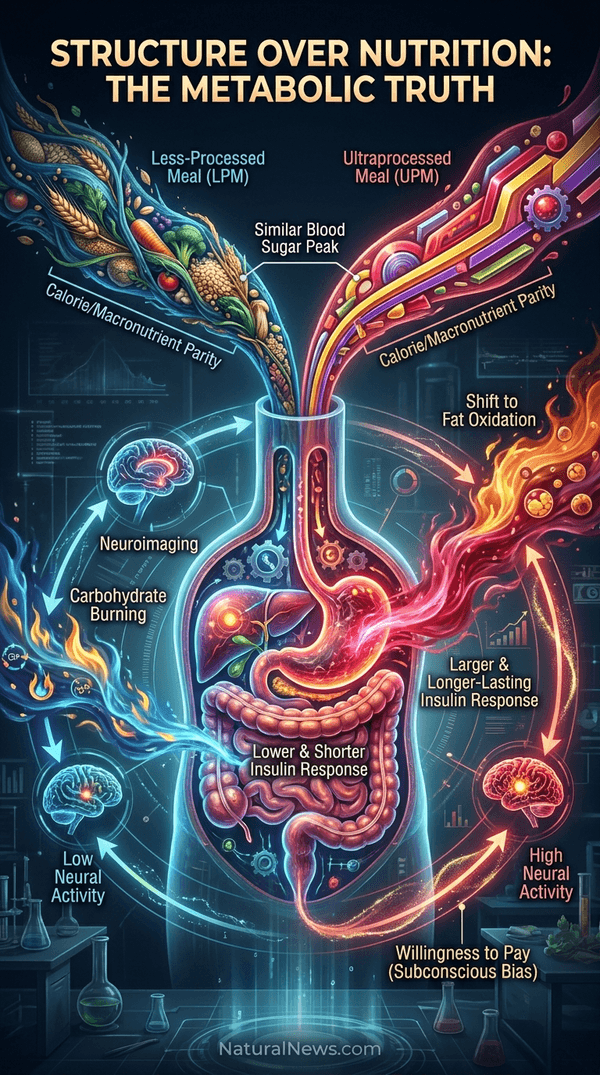
A randomized controlled trial found that an ultra-processed meal and a less-processed meal with nearly identical nutritional profiles produced different insulin and metabolic responses in adults, according to the study published in Nature Metabolism. The ultra-processed meal led to a larger and longer-lasting insulin response, while blood sugar levels remained similar after both meals.
The study included 57 adults, with 32 completing matched-meal sessions in which they ate the two meals on separate days. The meals were designed to contain nearly identical amounts of calories, protein, carbohydrates, fat, fiber, sodium, and water, and had a similar glycemic index.
The findings suggest that food processing itself may influence metabolism beyond what is captured on a nutrition label. The trial adds to a growing body of research examining how ultra-processed foods affect human physiology.
Study Details
Researchers recruited 57 adults to investigate how food processing affects the body. Of these, 32 participated in matched-meal sessions, eating two carefully matched meals on separate days, one ultra-processed and one less processed, according to MindBodyGreen [1]. The study also included brain scans to explore how participants responded to food cues.
The meals were matched on calories, protein, carbohydrates, fat, fiber, sodium, and water, and had a similar glycemic index. This design allowed researchers to isolate the effect of processing from the effect of nutrient content.
During the sessions, researchers measured participants’ blood sugar and insulin levels, tracked energy use, and conducted brain scans while participants viewed food images and indicated willingness to pay for different foods. The brain scans were used to assess how the meals influenced neural responses to food cues.
Processing can change a food’s physical structure, affecting how the body breaks it down, the researchers noted. This means two foods with similar nutrition labels may not affect the body in exactly the same way. The digestive system moves food through each part of the gastrointestinal tract to help break down food for energy, growth, and cell repair [2].
Metabolic and Brain Responses
Blood sugar levels were similar after both meals, but the ultra-processed meal triggered a bigger insulin response that lasted longer. After the less-processed meal, participants’ bodies increased carbohydrate burning more; after the ultra-processed meal, they burned more fat and had a higher overall metabolic rate, the researchers found.
Brain scans showed that differences in carbohydrate burning were linked to differences in brain activity when viewing food images. Brain activity also showed different relationships with willingness to pay for less-processed versus ultra-processed foods, even though participants did not consciously rate one type as more appealing.
The findings build on prior research into how ultra-processed foods affect eating behavior. Ultra-processed foods bypass natural satiety signals, causing overeating without increased awareness, according to NaturalNews.com [3].
The study’s brain scan results suggest that processing may influence neural reward pathways independent of conscious liking. The researchers measured willingness to pay as a behavioral indicator of food preference while participants viewed images of the meals they had eaten.
Limitations and Context
The study was relatively small, and more research is needed to determine whether these short-term differences affect long-term health. The authors cautioned that the results are preliminary and should not be used to make clinical recommendations.
The study did not establish that processing causes cravings; sleep, stress, habits, and food environment can all influence what people want to eat, according to the authors. They noted that the brain scan findings show associations, not causation, and that further research is needed to understand the mechanisms involved.
Takeaway
The findings suggest that food processing may influence metabolism and brain activity beyond nutrient content. The study’s design, which matched meals on multiple nutritional parameters, strengthens the finding that food processing itself may play a role.
Choosing less-processed foods when accessible is one option, and experts said calories and nutrients are not the only factors to consider when selecting between foods. The study did not make immediate clinical recommendations and called for further research to understand the health implications.
The research adds to a growing body of evidence on ultra-processed foods. A 2021 meta-analysis of five studies on over 230,000 participants found a linear relationship between ultra-processed food intake and increased risk of diabetes, with each 10% increase in ultra-processed food intake after 20% associated with a 15% higher risk of Type 2 diabetes [4]. The authors of the Nature Metabolism study did not establish a causal link between processing and long-term health outcomes.
References
- This One Detail About Your Food May Change How Your Body Processes It. https://www.mindbodygreen.com/articles/unexpected-factor-that-may-change-how-your-body-handles-food
- Your Digestive System & How it Works – NIDDK. https://www.niddk.nih.gov/health-information/digestive-diseases/digestive-system-how-it-works
- Hidden calorie trap How ultraprocessed foods make you overeat without realizing it – NaturalNews.com, July 31, 2025. by NaturalNews.com
- The Longevity Leap: A Guide to Slowing Down Biological Aging and Adding Healthy Years to Your Life. by Land, Siim
Explainer Infographic
Submit a correction >>
Tagged Under:
diabetes science, food science, grocery, health science, insulin response, metabolic health, metabolism, products, real investigations, research, stop eating poison
This article may contain statements that reflect the opinion of the author
RECENT NEWS & ARTICLES